
Command Palette
Search for a command to run...
interaction design(11)
tagged resources
interaction design Resources
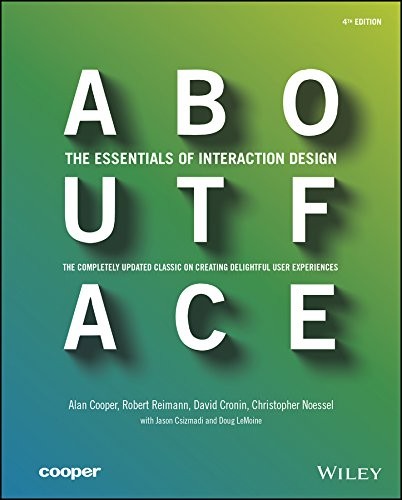
About Face: Essentials of Interaction Design
The definitive guide to interaction design by Alan Cooper, now in its 4th edition. Covers goal-directed design methodology, personas, interaction patterns, and interface design principles that have shaped the UX field for over two decades.
Behavioral Contracts — Designing AI Agent Policies as Design Artifacts
Emerging design practice: formal 'behavioral contracts' define how AI agents decide, handle failures, and communicate. These policy documents live alongside wireframes and specs — a new design artifact for the agentic era. Marks the beginning of a discipline where designers define agent constraints, not just visual flows.

Critical Web Design
newLearn-by-doing textbook that connects interface design, usability, accessibility, and HTML/CSS/JavaScript with the social and political context of the web. Includes cases, interviews, exercises, and code.

Delegative UI & Agentic Product Design
UX paradigm shift from 'click this' to 'tell the system your goal.' Design systems evolve to include oversight interfaces, behavior policies, and exception handling as first-class concerns — requiring a complete rethinking of interaction patterns.

Designing Products AI Agents Can Actually Use
A paradigm shift for product design: as AI agents increasingly initiate transactions, interfaces must be discoverable and executable by machines, not just humans. Explores new design constraints for financial products, e-commerce, and any service where agents act on behalf of users.
From Doers to Directors — Agentic Workflows and the Supervision Paradigm
Products are shifting from 'user executes tasks' to 'user supervises AI agents.' This requires entirely new UX patterns: confidence levels, decision logic visibility, and human override points. Design moves from task flows to orchestration interfaces — trust and observability become the new UX primitives.
Matching AI Modality to User Intent
Long-form framework for matching an AI product's input and output modes to user intent, cognitive load, and environment. Includes a task audit, alignment matrix, and field template.

Origami Studio: Comprehensive Design and Prototyping Tool
Origami Studio is Meta's free design prototyping tool used internally for products like Facebook, Instagram, and WhatsApp. Its patch-based visual programming system excels at creating complex, realistic interaction prototypes — especially micro-interactions and gesture-driven interfaces.

Preview-Before-Action: Trustworthy Agent Design
Core principle for responsible agentic product design: always preview before execute. Treating agents as unsupervised interns — managing risk through transparency and human checkpoints. Foundational pattern for trust in agentic systems.
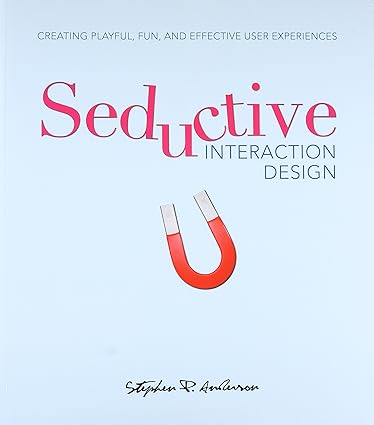
Seductive Interaction Design
Stephen Anderson explores how to create pleasurable, engaging experiences by applying principles from psychology, game design, and storytelling. Goes beyond usability to show how emotional design and playful interactions make products memorable.
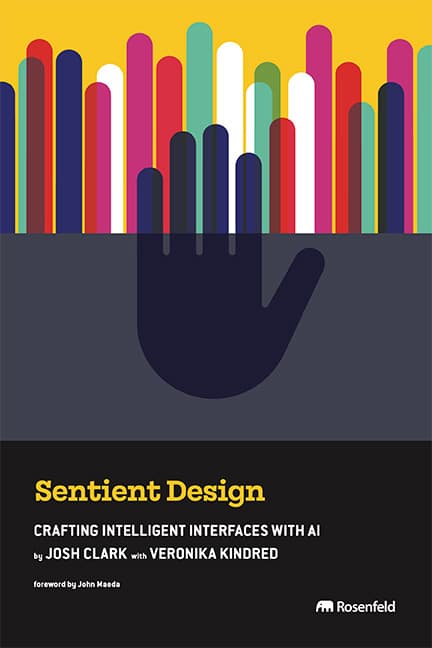
Sentient Design
Guide to designing AI-powered interfaces that adapt to user context and intent. Covers interaction patterns, human judgment, defensive design, and a sprint process for intelligent products.