
Command Palette
Search for a command to run...
accessibility(27)
tagged resources
accessibility Resources
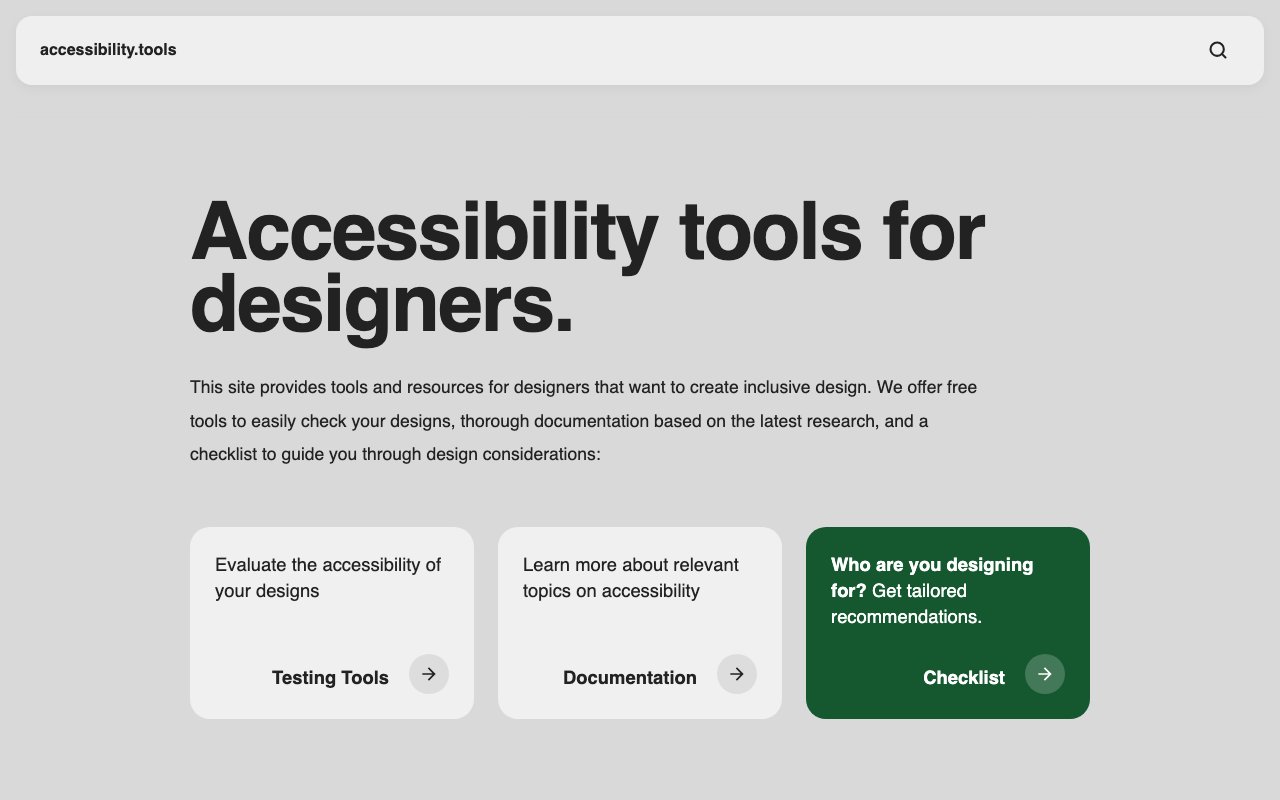
Accessibility Tools for Designers
Free browser toolkit for checking design screenshots with contrast analysis, vision simulation, attention heat maps, and alt text support. Includes research-based guidance and a design checklist.

Accessibility-First (Regulatory Shift)
High contrast and neuro-inclusion now mandatory under evolving regulations, reshaping entire design systems. Accessibility moving from checkbox to foundational architecture.

AI as Design Collaborator
Real-time AI design assistance for accessibility checks, layout optimization, and A/B testing — while maintaining human creative control. The emerging model for AI in design workflows.
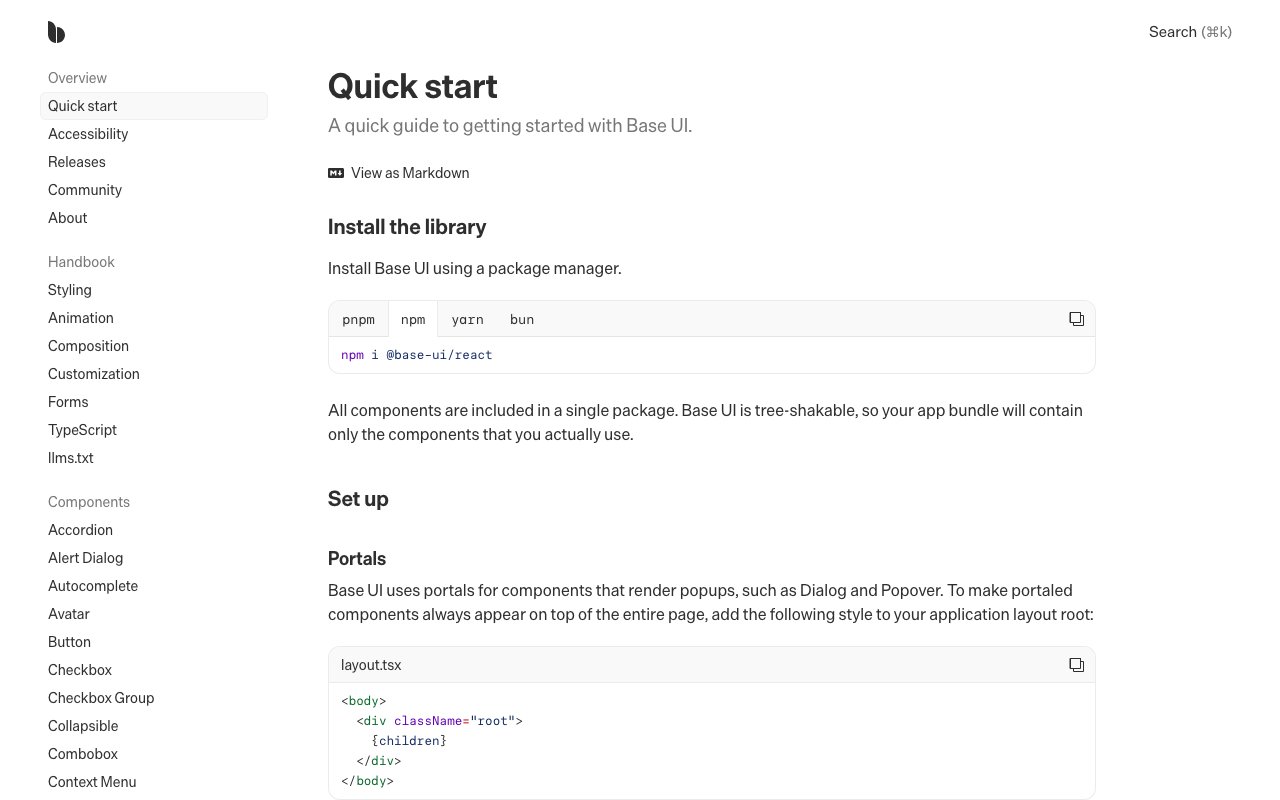
Base UI
newUnstyled React components for accessible interfaces and design systems. Includes composable primitives for forms, overlays, navigation, feedback, and interaction without prescribing visual styling.
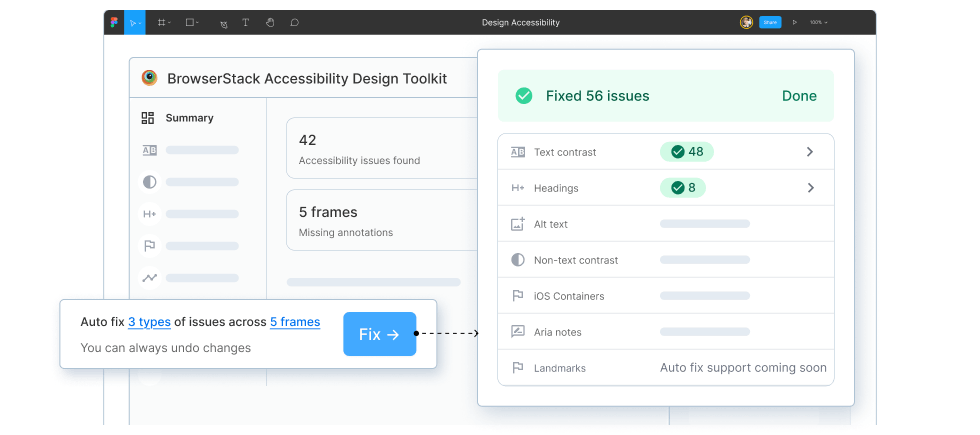
BrowserStack Accessibility Design Toolkit
newFigma plugin for scanning layouts and components for accessibility issues, documenting focus order and ARIA intent, and handing annotated guidance to developers before implementation.

Building accessibility into a canvas-based product
Figma’s technical case study on making a canvas-based editor accessible through an internal accessibility tree, Mirror DOM, selection sync, and screen-reader announcements.

ColorBox
Advanced palette builder from Lyft Design using perceptually uniform color scales (HSLuv/LCH). Creates accessible, predictable color systems for design systems — the tool behind thoughtful ramp generation.

Critical Web Design
newLearn-by-doing textbook that connects interface design, usability, accessibility, and HTML/CSS/JavaScript with the social and political context of the web. Includes cases, interviews, exercises, and code.

Defensive Design for Motion-Sensitive Users
Practical framework for designing motion that stops safely when timing, state, or performance fails. Covers duration limits, circuit breakers, static fallbacks, monitoring, and user controls.
Design Systems MCP Server
MCP server that lets AI assistants search curated design system knowledge, including WCAG, ARIA, W3C standards, and major public design systems.

Dialtone
newOpen-source design system from Dialpad with Vue components, tokens, icons, utilities, UI kits, and accessibility guidance. Version 10 adds composition primitives, theming, MCP tooling, and migration guides.
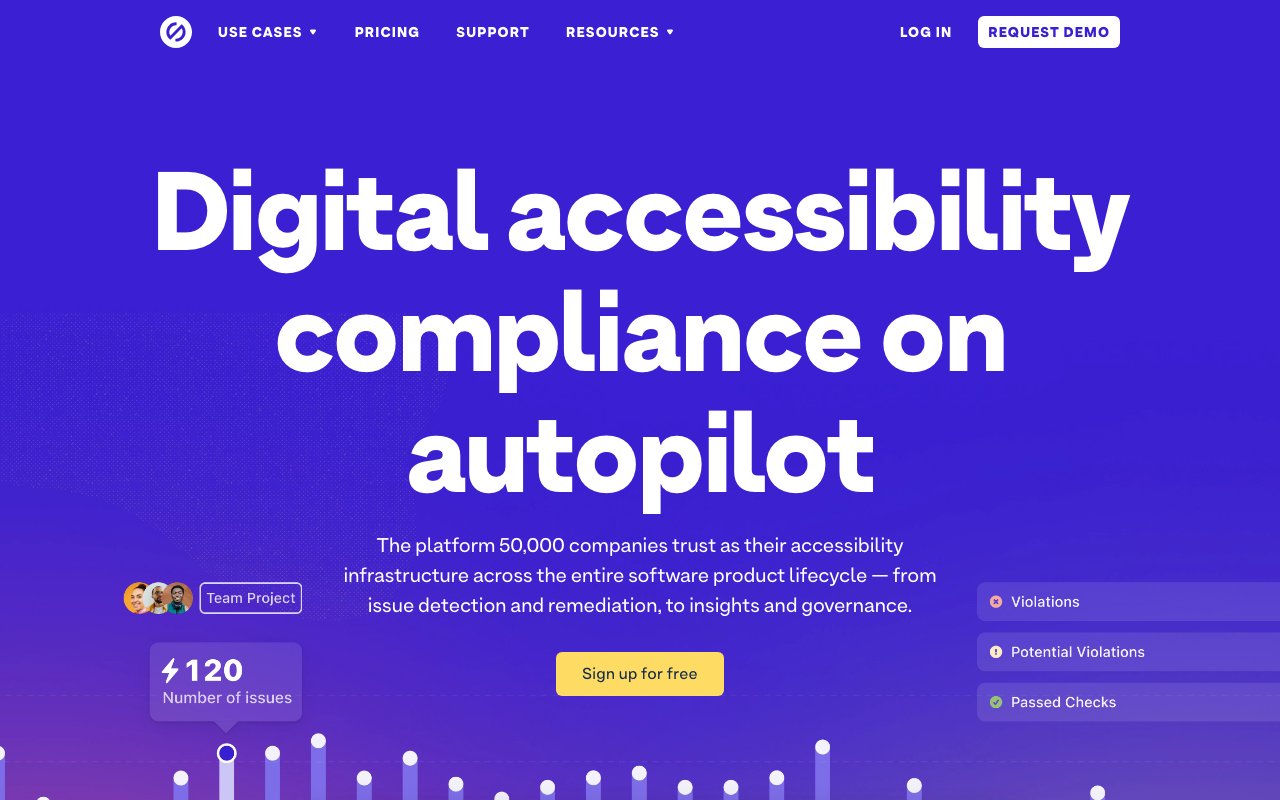
Enhance Accessibility with Stark: Design Tool for Inclusive Creations
Stark is the leading accessibility toolkit for designers, with plugins for Figma, Sketch, and Adobe XD. It includes contrast checking, vision simulation, focus order tools, alt-text annotations, and AI-powered accessibility scanning to catch issues during the design process.
GitHub Accessibility Scanner
GitHub Action that scans sites and repositories for accessibility barriers, files trackable issues, and can assign findings to Copilot for proposed fixes with human review.
Include—Accessibility Annotations
Include is a Figma plugin for adding accessibility annotations to your designs — landmarks, headings, tab order, alt text, and ARIA labels. It generates a clear annotation layer that communicates accessibility intent to developers during handoff.
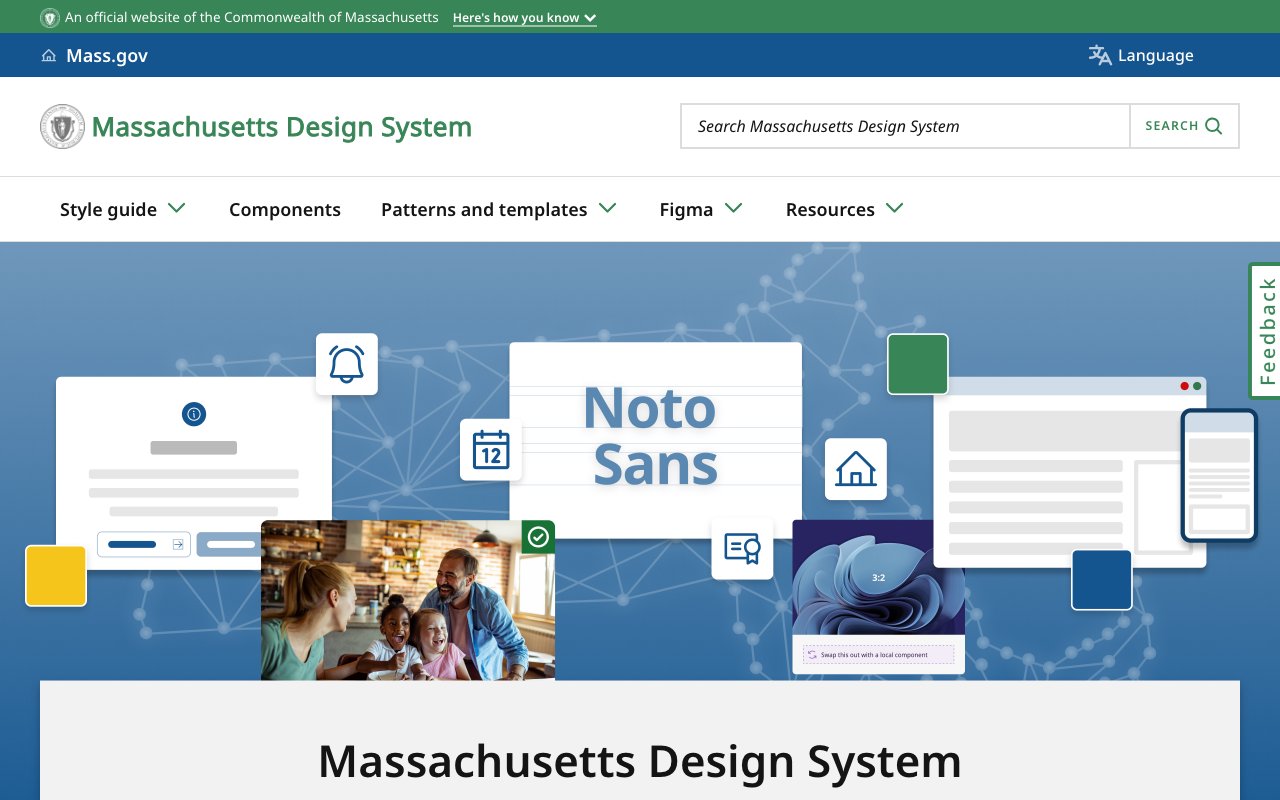
Massachusetts Design System
Public state design system with Figma components, accessible style guidance, design tokens, and icon packages. A practical reference for teams building clear, consistent government services.
Matching AI Modality to User Intent
Long-form framework for matching an AI product's input and output modes to user intent, cognitive load, and environment. Includes a task audit, alignment matrix, and field template.

Nord Design System
Public documentation for Nordhealth's production design system, covering 57 web components, 300 icons, tokens, accessibility guidance, Figma tooling, and patterns for dense clinical software.
NYS Design System
Public design system for New York State services with web components, CSS utilities, design tokens, accessibility guidance, and a Figma library for agency teams.

OpenFig
newOpen-source CLI and browser tools for parsing and rendering Figma .fig and .deck files. Converts HTML decks to editable Figma Slides while preserving text, vectors, layouts, fonts, and speaker notes.

pour
newFree WCAG 2.2 audit suite with browser extensions, a bookmarklet, CLI, and open-source engine. Findings include exact elements and fixes, while uncertain criteria stay in a manual-review checklist.
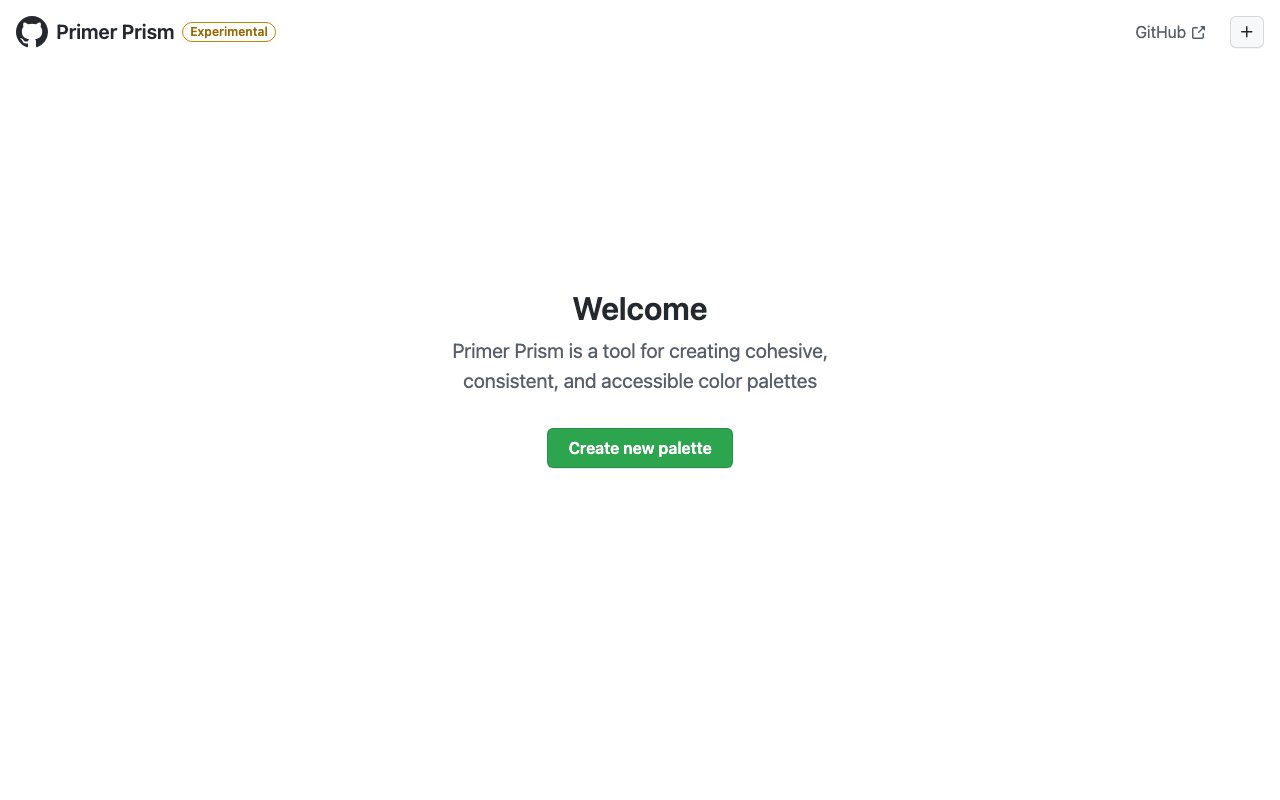
Primer Prism is a tool for creating cohesive, consistent, and accessible color palettes
Primer Prism, created by GitHub's design team, helps you build cohesive and accessible color systems from a single base color. It generates consistent color scales with built-in WCAG contrast checking — essential for design system color token creation.

Randoma11y
Generates accessible color combinations that meet WCAG contrast requirements. Instant random pairings with AA/AAA compliance indicators — useful for quickly finding accessible text/background combos.

Rechroma
Web-based color-system builder that starts from an image or single color, generates Oklch scales, checks contrast, and exports palettes to Figma variables, CSS, SCSS, or PDF.
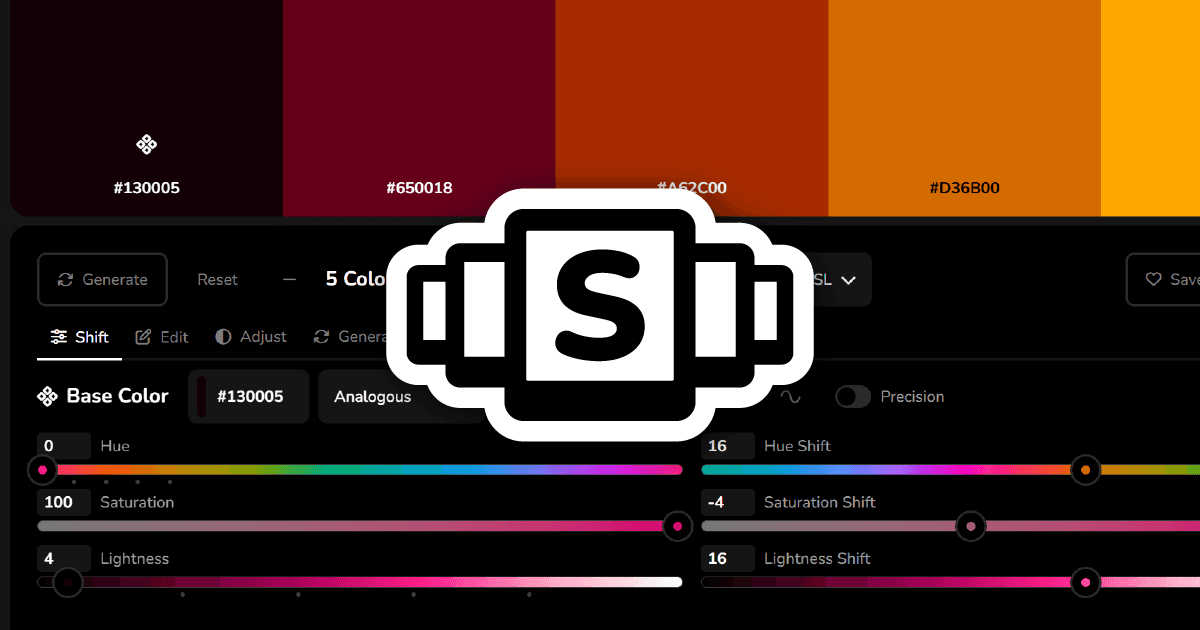
Super Color Palette
Advanced palette builder with manual hue/saturation sliders supporting OKHSL/LCH color spaces, image import, contrast checks, and exports up to 24 colors. For designers who want precise control over perceptual uniformity.
The Benefits of Cognitive Inclusion in UX Research
Research report comparing usability sessions with cognitive-disabled and general-population participants, including recruitment guidance, study design, findings, and concrete testing recommendations.
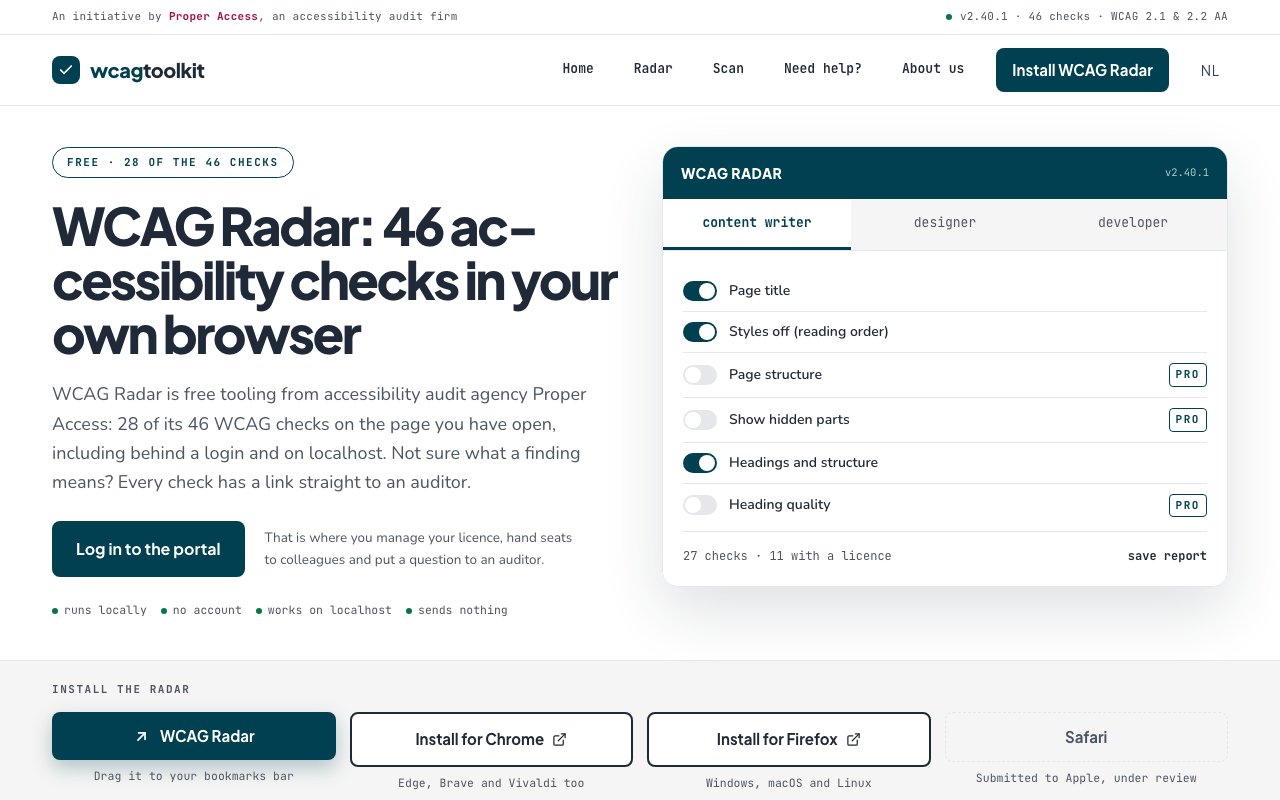
WCAG Radar
newBrowser-based WCAG audit tool with 46 checks split across content, design, and development. Runs locally on pages behind logins or on localhost, with 28 checks available free and optional report export.
Zeroheight 2026 Design Systems Report
Annual practitioner survey: Web Components gaining over React, AI unstalling stalled adoption, accessibility gap narrowed from 46% to 10%. Real benchmark data, no hype.